About Cognitive Access

Built to connect the whole picture.

We bring lived experience, professional practice and research scrutiny together. We examine where systems obscure capability, develop practical responses with partners, and test their value in education, technology and work.

Our vision

Make thinking visible across the systems people use.

We want teaching, tools, documents and decisions to reflect the person and the task as a whole. That means hearing different perspectives, connecting the evidence and changing the parts of a system that create unnecessary barriers.

Our current work begins in education. The questions and methods extend to AI products, organisations and policy.

The people leading the work

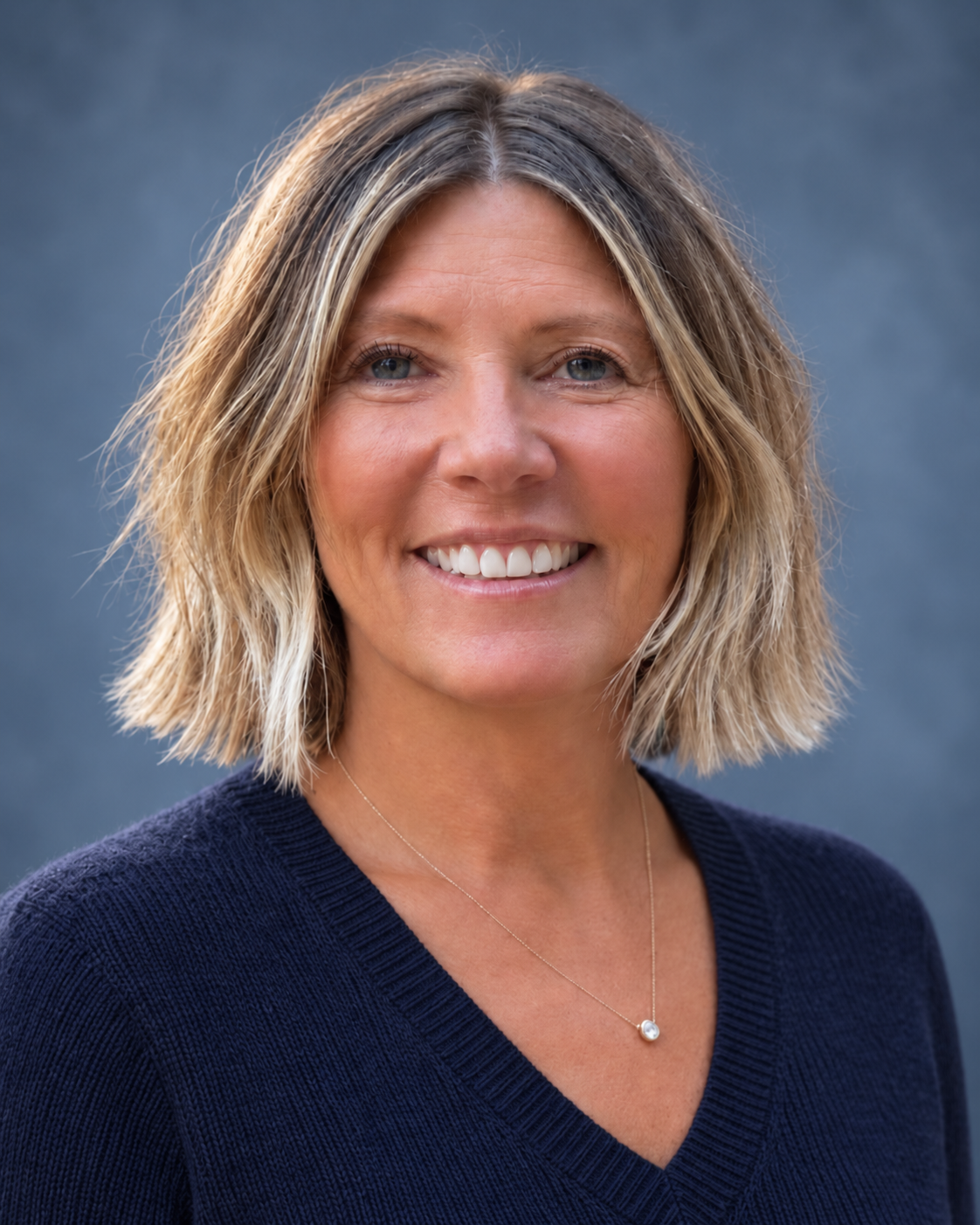
Larissa Caheny, founder of Cognitive Access

Founder

Larissa Caheny

Larissa has spent around twenty years advocating for children whose abilities were being missed because their thinking did not show through the usual route. Drawing on her experience as a chartered surveyor and former Associate Director, she looks across people, evidence and systems to find where things are getting lost. She founded Cognitive Access to turn those insights into practical changes that can be challenged, tested and shared.
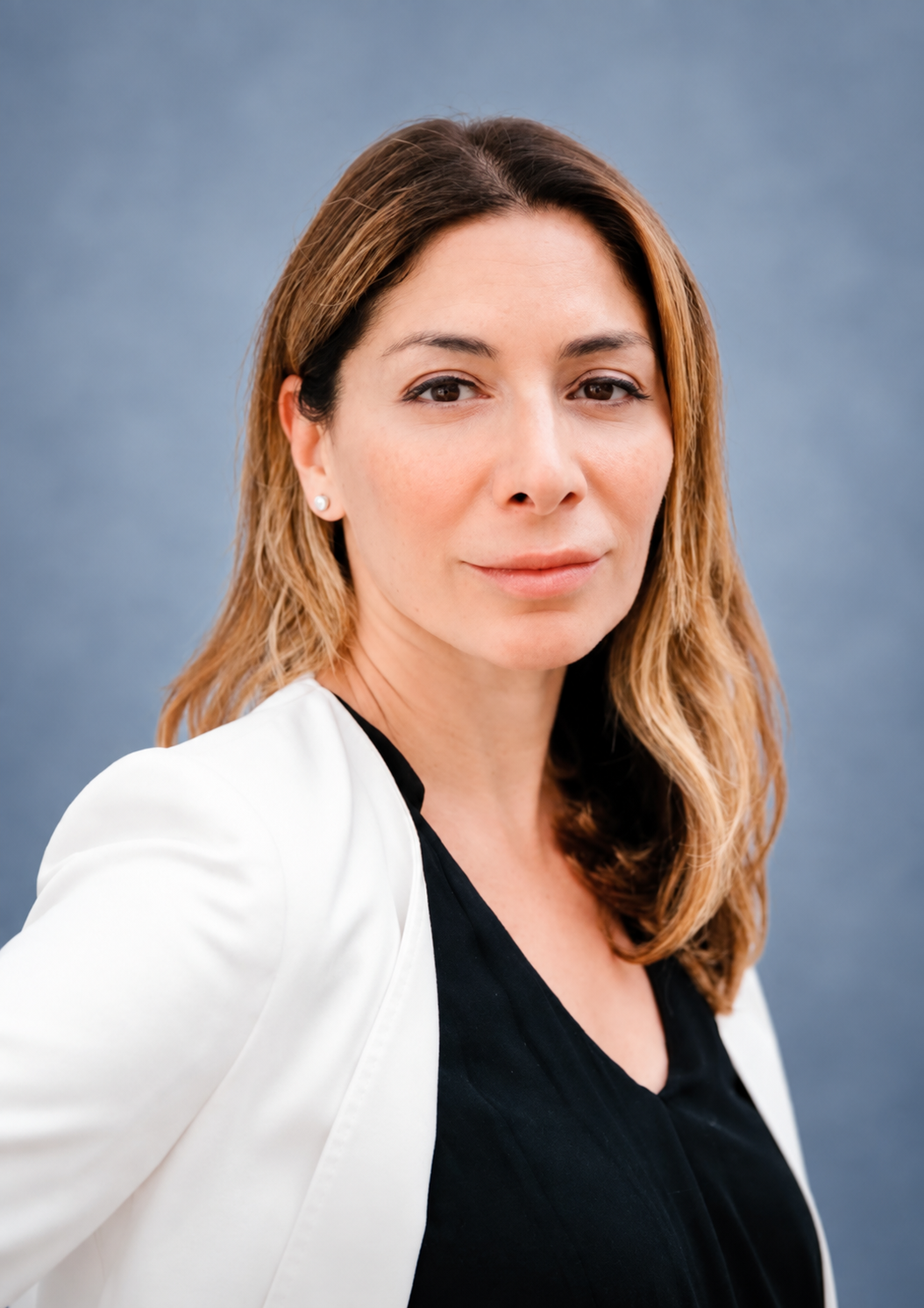
Dr Natasha Galani, co-founder of Cognitive Access

Co-founder

Dr Natasha Galani

Natasha is a GP who brings a clinical and evidence-focused perspective. She helps challenge assumptions, distinguish observation from established findings, and shape fair ways to evaluate the work.

Founding partners

Help us build and challenge what comes next.

We are looking for founding partners who can help turn this work into practical, independently tested change. Schools and families can help us understand what happens on the ground. Researchers can challenge the evidence and study design. AI and organisational partners can help test whether better systems make people’s thinking more visible.

Support might mean expertise, access to a setting for a carefully designed pilot, collaboration on training, or funding for research and free public resources. We want partners who will ask difficult questions as well as help develop useful answers.

Explore the first roundtable

Our shared stance

Experience identifies the question. Evidence tests the response.

We bring observations from families, classrooms and work into conversation with educational research and current guidance. Different diagnoses and thinking approaches may overlap within one person, so we ask what this individual can do and what helps in this task. We want people who disagree with us to help clarify where the framework is useful, where it needs changing and what should be tested first.